


Imagine waking up unable to move a single muscle, except your eyes. You sense a terrifying, dark presence in the room. This is a phenomenon known as sleep paralysis. For centuries, people attributed this unsettling state to demons, witchcraft, or supernatural warnings. Across cultures, stories of shadow figures sitting on sleepers' chests have haunted human lore.
Today, sleep medicine has stripped away the supernatural labels. It reveals the biological mechanisms behind these events. We can explore the physical causes and identify treatment options. By learning practical coping mechanisms, individuals can overcome the fear of sleep paralysis hallucinations. This helps restore their peace of mind.
1. What is Sleep Paralysis?
Sleep paralysis is a temporary inability to move or speak. It occurs during the transition between sleep and wakefulness. It can happen as you are falling asleep or as you are waking up. During an episode, the individual remains fully conscious and aware of their surroundings. However, they find themselves completely immobilized.
These episodes typically last from a few seconds to several minutes and end on their own or when the person is touched or spoken to. While physically harmless, the sensation of being trapped in one's own body—frequently accompanied by vivid, terrifying hallucinations—can cause severe panic and distress.
2. Neurobiology & REM Intrusion
The science behind sleep paralysis centers on a disruption in Rapid Eye Movement (REM) sleep. During normal REM sleep, the brain active-dreams while simultaneously shutting down muscle tone. This state of temporary paralysis, called REM atonia, is an evolutionary defense mechanism that prevents you from physically acting out your dreams and injuring yourself.
Sleep paralysis occurs when there is a mismatch in sleep transitions: the mind wakes up, but the body remains in REM atonia. This "REM intrusion" leaves you conscious while your motor system is temporarily locked down. Because the brain is still in a dream-like REM state, dream imagery spills over into waking consciousness, resulting in vivid, lifelike hallucinations.
3. Types of Hallucinations
Sleep paralysis hallucinations generally fall into three distinct categories, each associated with specific neurological activation:
- The Intruder Hallucination: The feeling of a dark, hostile presence, shadow figure, or intruder in the room. This occurs due to hyper-vigilance in the amygdala, the brain's fear center.
- The Incubus Hallucination: A sensation of intense pressure on the chest, difficulty breathing, or choking. This is caused by REM atonia affecting the chest muscles, combined with panic that disrupts normal breathing patterns.
- Vestibular-Motor Hallucinations: Sensations of floating, flying, falling, spinning, or out-of-body experiences, triggered by disruptions in vestibular system signaling.
4. Common Causes & Risks
Several behavioral and biological factors can disrupt sleep cycles and increase the likelihood of experiencing sleep paralysis:
- Sleep Deprivation: Irregular sleep schedules, shift work, and chronic lack of sleep are the primary triggers.
- Sleeping Position: Episodes are significantly more common when sleeping on your back (supine position), which can affect breathing and airway stability.
- High Stress and Anxiety: Psychological stress alters REM patterns, making sleep transitions less stable.
- Narcolepsy: Frequent sleep paralysis is a key symptom of narcolepsy, a neurological disorder characterized by poor regulation of sleep-wake cycles.
5. The Psychological Toll
Experiencing these episodes regularly can take a heavy toll on mental health. Many individuals develop sleep anxiety, dreading bedtime out of fear of another terrifying experience. This anxiety can lead to insomnia, which further worsens sleep deprivation and creates a vicious cycle.
The isolation associated with these experiences is also significant. Because sleep paralysis is rarely discussed openly, many suffer in silence, worrying that they are losing their sanity. Recognizing that these episodes are common biological events can help relieve this emotional burden.
6. When to See a Specialist
An occasional episode of sleep paralysis is generally nothing to worry about. However, you should consult a sleep specialist or physician if:
- The episodes occur frequently (multiple times a week).
- You feel extremely anxious about going to sleep or experience severe daytime fatigue.
- You suddenly fall asleep during the day (potential sign of narcolepsy).
- The episodes severely disrupt your partner's sleep or cause physical panic attacks.
7. Sleep Paralysis Treatment
Clinical sleep paralysis treatment focuses on addressing the underlying issues that trigger the episodes. If the episodes are secondary to another medical condition, such as narcolepsy or sleep apnea, treating that primary condition is the first step.
In severe cases where episodes persist and cause significant distress, a physician may prescribe low-dose selective serotonin reuptake inhibitors (SSRIs) or tricyclic antidepressants. These medications work by suppressing REM sleep, thereby reducing the physiological opportunities for sleep paralysis to occur.
8. How to Break the Paralysis
If you find yourself in the middle of an episode, practicing specific coping mechanisms can help you wake up faster or manage the fear:
- Focus on Small Movements: Try to wiggle a single toe, finger, or blink rapidly. These small actions can bypass REM atonia and signal the brain to wake the body.
- Control Your Breathing: Deep, slow diaphragmatic breathing can help regulate your heart rate and ease the chest pressure caused by panic.
- Reframe the Experience: Remind yourself during the episode: "This is sleep paralysis, I am safe, and this will end in a few moments."
- Avoid Fighting the Paralysis: Relaxing into the sensation rather than struggling against it can actually shorten the duration and reduce the intensity of hallucinations.
9. Sleep Hygiene & Stress
Preventing sleep paralysis starts with establishing consistent, healthy sleep habits:
- Maintain a strict sleep schedule, going to bed and waking up at the same time every day.
- Optimize your sleep environment by keeping your bedroom dark, quiet, and cool (around 18-20°C).
- Avoid sleeping on your back; use pillows to encourage sleeping on your side.
- Limit alcohol, caffeine, nicotine, and heavy meals close to bedtime, as they disrupt REM sleep.
10. CBT-I & Psychotherapy
Cognitive Behavioral Therapy for Insomnia (CBT-I) is an effective, non-pharmacological treatment for chronic sleep issues. A therapist can help you identify and modify the thoughts and behaviors that contribute to poor sleep.
CBT-I also incorporates relaxation techniques, such as progressive muscle relaxation and mindfulness practices. By lowering overall stress levels and reducing bedtime anxiety, you can stabilize sleep cycles and significantly decrease the frequency of sleep paralysis.
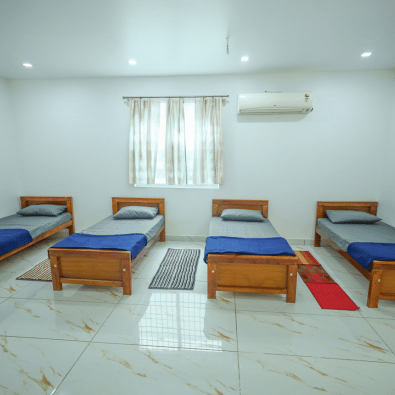
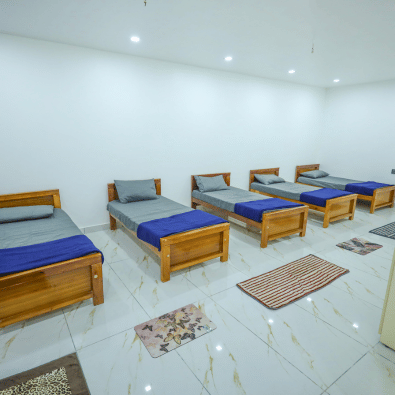
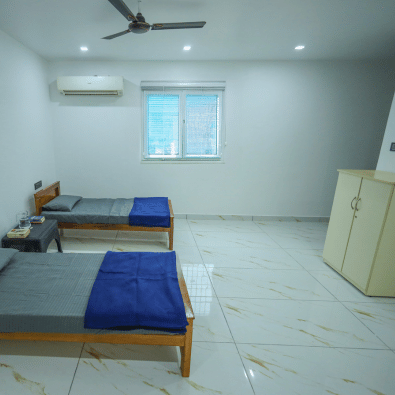
11. Mental Health Retreats
For those whose sleep issues are linked to chronic stress, trauma, or anxiety disorders, seeking support at a structured mental health retreat or specialized luxury rehabilitation centre can be life-changing.
These wellness retreats offer a peaceful environment away from daily stressors, combining medical evaluation with holistic therapies like yoga, meditation, and intensive psychotherapy. Restoring your mind-body balance in a tranquil setting is a powerful way to reclaim healthy, restorative sleep.
Medical Disclaimer: The information provided by Chosen Rehab is for educational and informational purposes only. It is not a substitute for professional medical advice, diagnosis, or treatment. Always seek the advice of a physician or another qualified health provider.